What does a visit to the Gordon Pathology Museum mean?
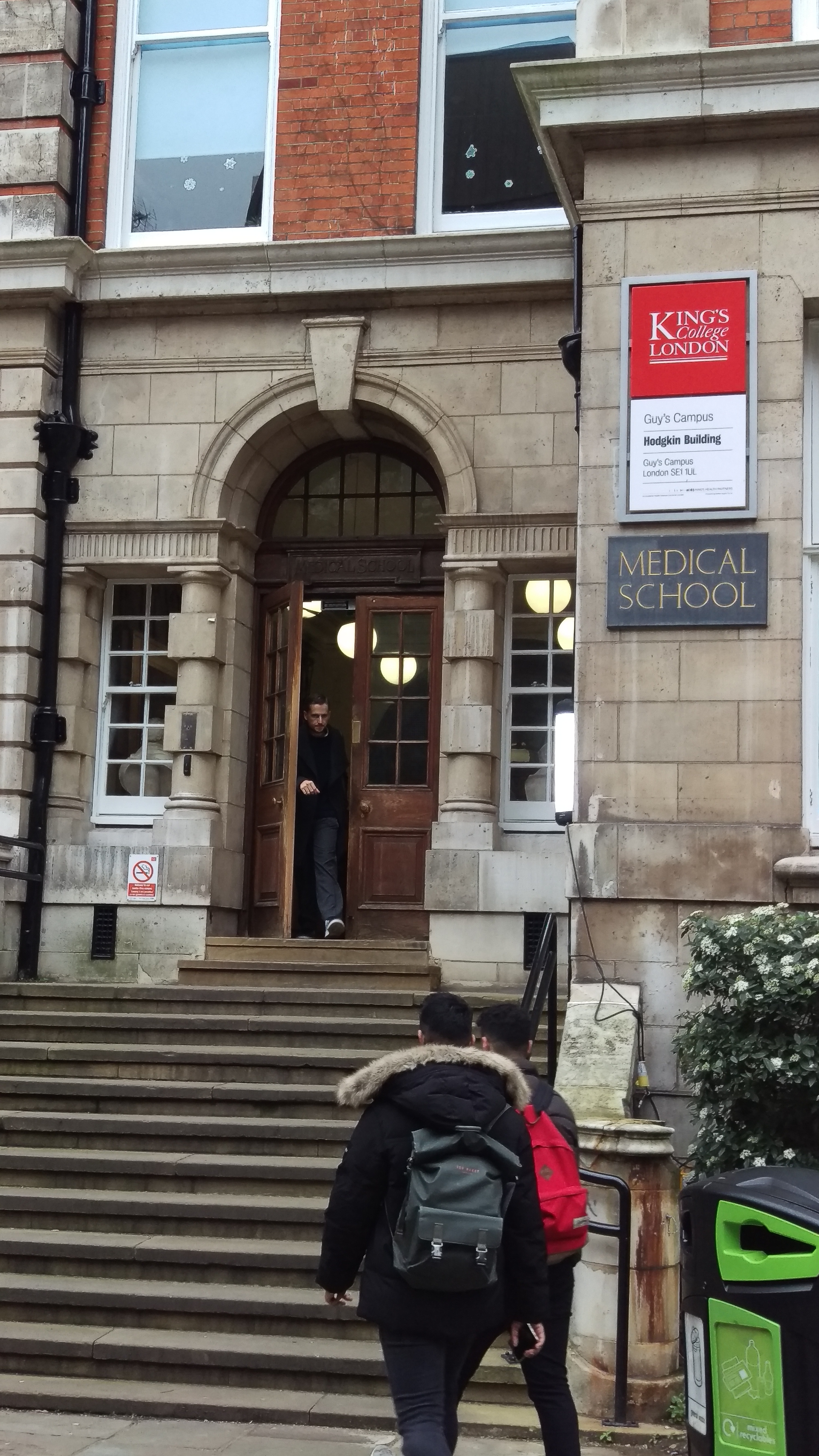
A fascinating, if slightly eerie museum hidden away behind Guy’s Hospital, London Bridge. The four floors are crammed with shelves carrying glass jars full human tissue specimen; one even dating from the 16th Century. The vast majority of visitors are medical students and medics from all over the world. The Gordon is the largest pathological museum in London having acquired exhibits from the older pathological museum at St Thomas’s Hospital many years’ ago.
The Gordon on-line
Excellent and very thorough account of the Gordon’s collection is available on-line but, slightly off-putting, as it says the Gordon is Permanently Close. The Gordon allows visitors with a medical research imperative by invitation only.
Visitor participation
Under the terms of the Human Tissue Act 2017 human tissue (as contained in the many jars that line the walls of this museum) can only be displayed for the benefit and education of medical practitioners. This is not for entertainment. Students on Art in Science courses and artists who have a particular interest in human anatomy may occasionally be granted permission to visit.
Art at the Gordon
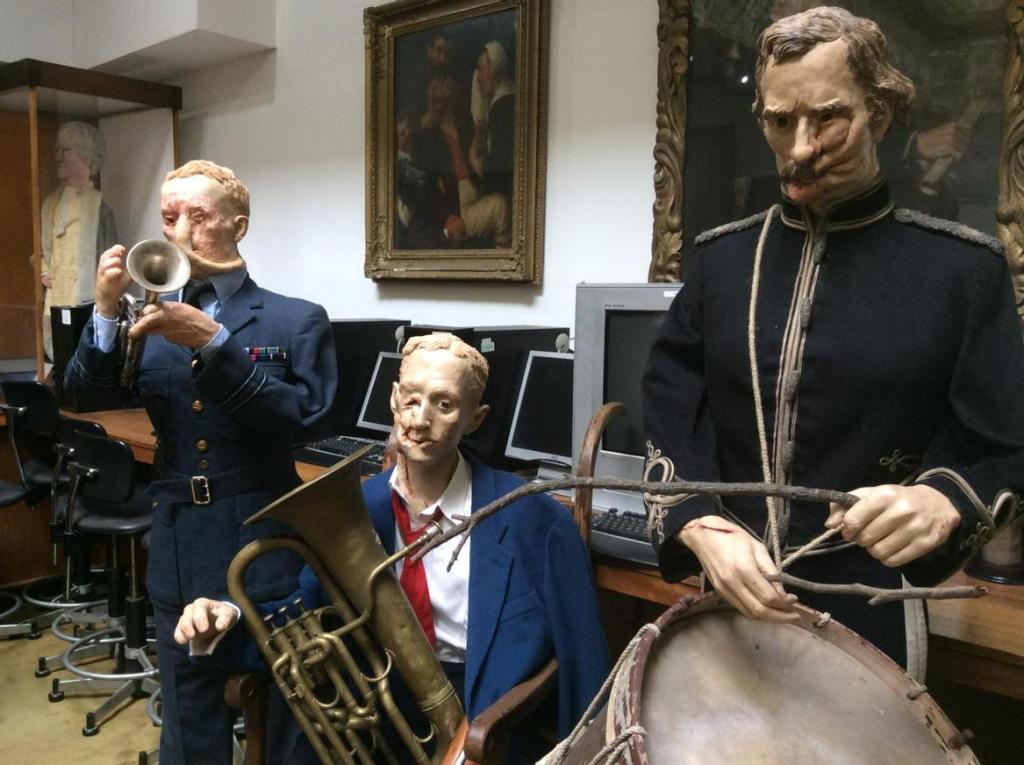
Eleanor Crook. And the band played on are Crook’s life size wax models of soldiers from the Crimean War right through to modern day Iraq and Afghanistan. Downstairs amongst the exhibits in glass bottles these horrifically war wounded soldiers play their silent tunes. The soldiers’ facial injuries will have been copied fastidiously from medical records of the period; both eerie and fascinating by turns. The room is usually full of medical students from all around the world who, having got used to the ghostly band, pay little attention to them. But the first time you see them is unforgettable.
Paddy Hartley. One of these beautiful, delicate flowers was on display under a glass domed jar. The flower looked like a field poppy, but actually made from lambs’ heart tissue, was displayed in a replica glass artillery shell case. The juxtaposition of this single gorgeous specimen suspended in fluid under glass and Crook’s visceral, larger than life work was powerful. Both works responded to the same 1st World War conflict but in very different ways. Hartley referenced the Remembrance Day poppies that memorialise the poppies that the soldiers saw by the sides of the roads as they returned back home in the Autumn of 1918.
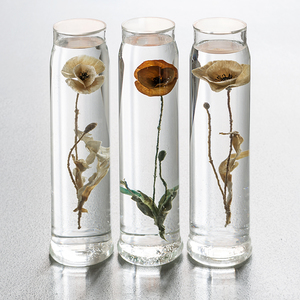
Hartley P. (2019) Armistice: Legacy of the Great War. The Gordon Pathology Museum, London (exhibition). Available at: http://paddyhartley.com/papaver-rhoeas-2
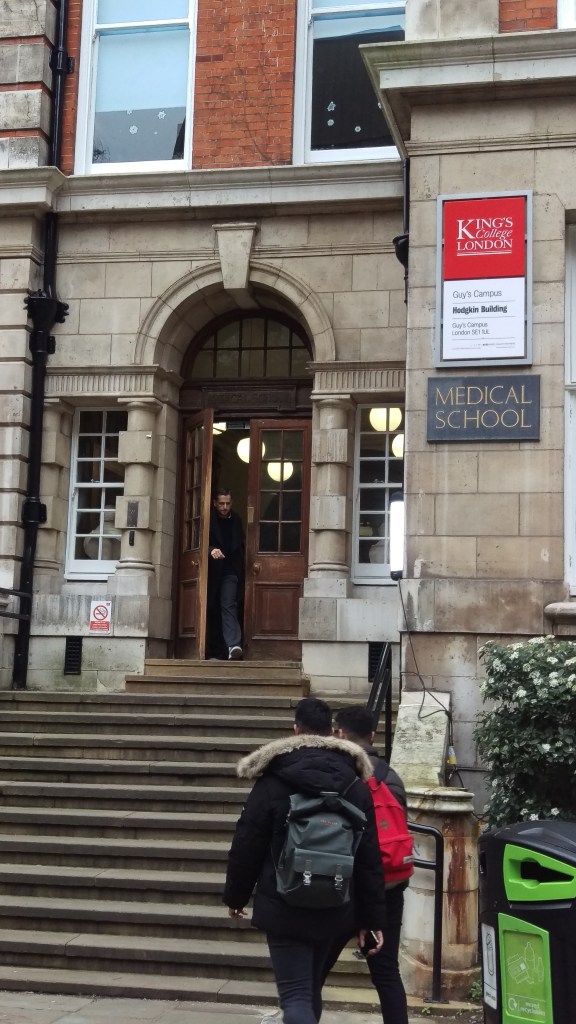
Main image Birnbaum H. (2020). Entrance to the Gordon Pathology Museum, London. (museum). Author’s private collection

 Public Facing
1 Comment