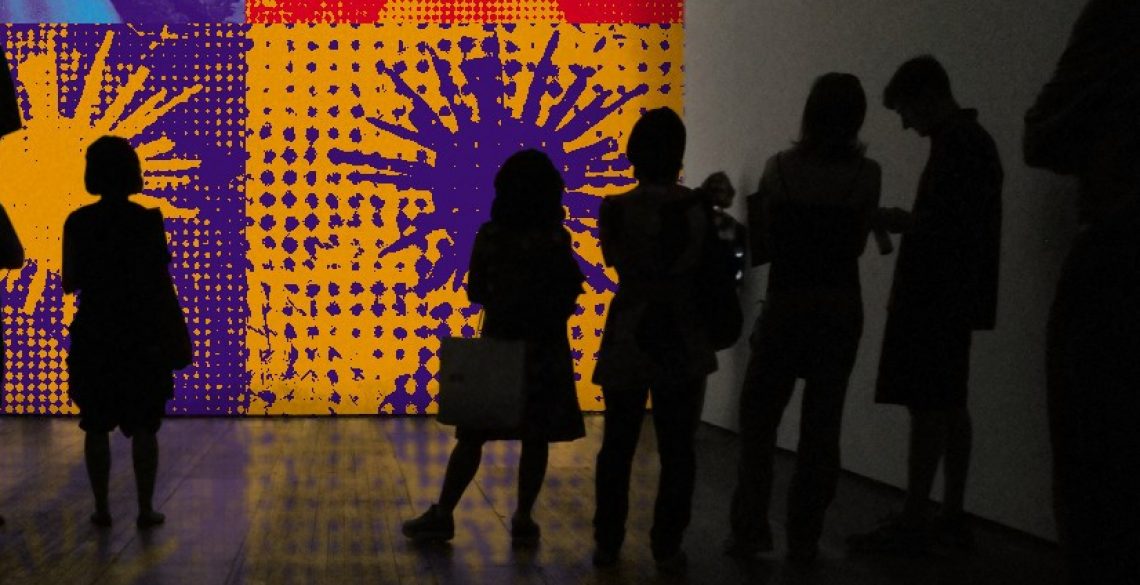

I first went to the Science Gallery in 2019 to see the Spare Parts exhibition. This is an exciting new gallery linked to the other Science Galleries in Dublin and Melbourne which provide a more active and dynamic way of communicating new ideas about science. I think the fact that I have written more about the art here at the Science Gallery speaks volumes about how accessible and exciting the work is. Like the other more established science galleries in London it offers a programme of free exhibitions and events allowing a wide range of people to access art in science.
The Science Gallery is in an increasingly fashionable London catchment and the gallery cafe was full of Guy’s Hospital medics, but I wondered if they visited the gallery.
Art here is techy, interactive and themed according to the particular exhibition. There is no standing exhibition, unlike the bigger established venues, instead there is a changing exhibition schedule. It offers art in science practitioners a real chance to exhibit at a London gallery.
Visitor participation
A high level of literacy and visual literacy is demanded of the Science Gallery visitors. It is not particularly accessible otherwise.
The building itself is accessible, but until the new London Bridge development is completed it may be seen to be slightly off the beaten track for the majority of visitors?
Art at the Science Gallery
SPARE PARTS explored one of the most pressing issues facing society today which is our changing relationship with our physical bodies. Connecting with cutting edge research from King’s College London and participating in conversations around the latest thinking on subjects as wide-reaching as the future of the body, the make-up of the Universe and the causes and impact of anxiety was the aim of the exhibition. It had a big impact but maybe this was because I had the advantage of discussing these issues as part of my Art in Science MA course?
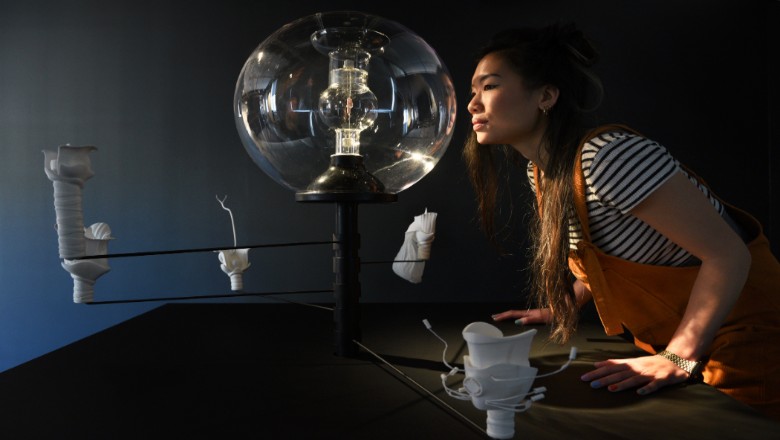
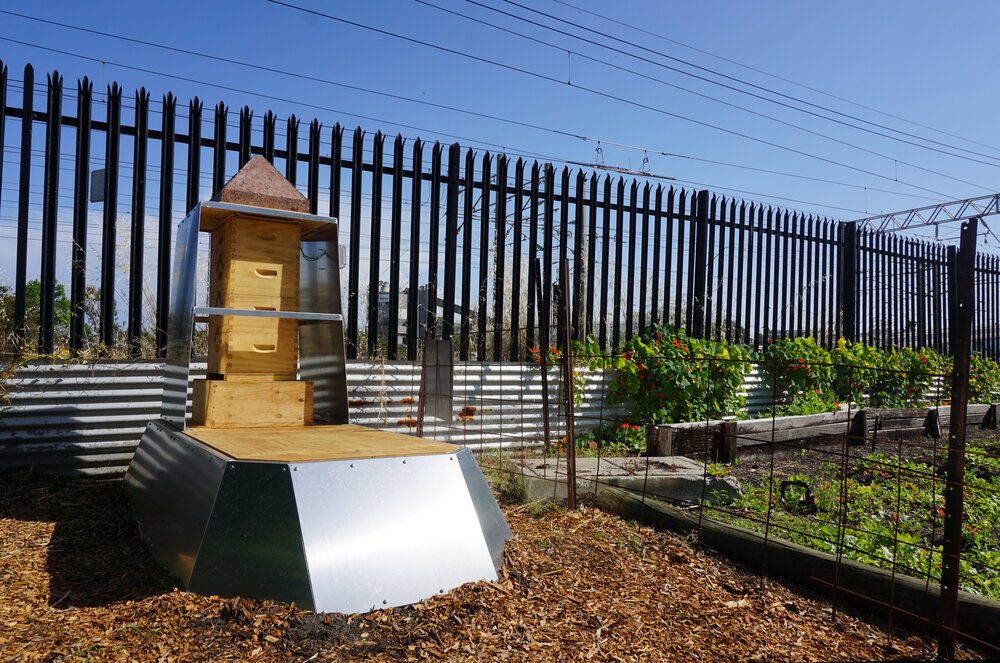
Vessels of Care and Control: Compostcubator 2.0: Catts & Zurr
Described as ‘part artwork, part experiment,’ we were able to monitor the temperature of the compost heap to gauge whether the tissue culture is surviving. To be able to do this felt like we had a part to play in keeping the tissue alive. Vessels of Care & Control: Compostcubator 2.0 takes a less techy approach to the need to keep cells alive outside the body by exploring low-tech gardening solutions. A biological incubator cares for and control other living systems.
https://london.sciencegallery.com/spare-parts
Main image at top of page: Unknown photographer. (2019) Science Gallery London (science museum) Available at: https://www.kcl.ac.uk/news/science-gallery-london-to-open-at-london-bridge-this-autumn

 Public Facing